JOHN THOMAS PIRIE
August 26, 1827 – April 24, 1913

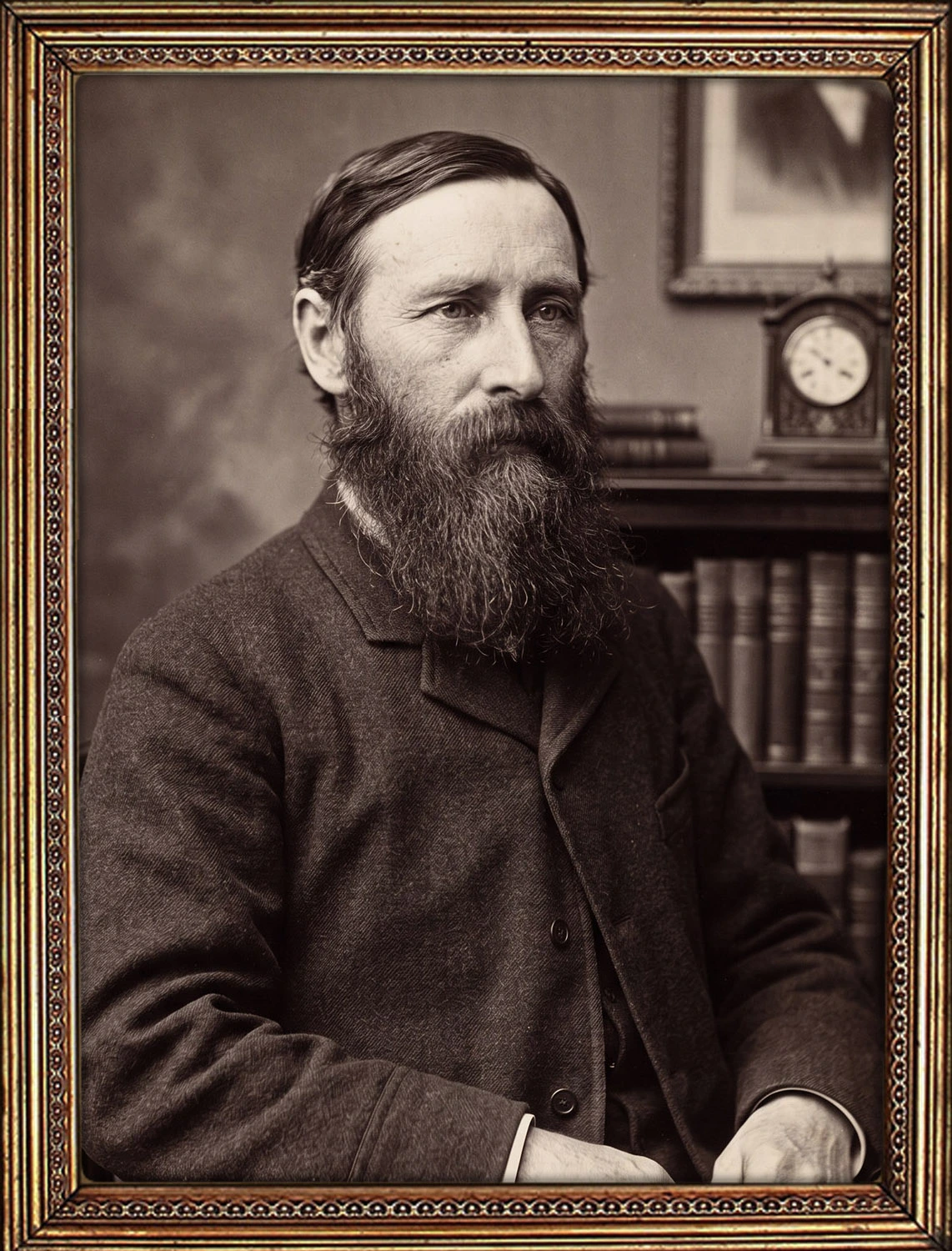
John Thomas Pirie was a Scottish-American merchant and retail executive best known as a founding partner of Carson Pirie Scott & Co., one of the major dry goods and department-store enterprises of the American Midwest. Through wholesale merchandising, retail expansion, and financial management, Pirie helped build a firm closely associated with Chicago’s rise as a national commercial center during the late nineteenth and early twentieth centuries. He also became an influential lay supporter of evangelical Protestant causes and the early development of the Scofield Reference Bible project.

From Scottish Apprentice to Chicago Merchant House Founder

Born in Errol, Scotland, Pirie entered commercial work at age thirteen as an errand boy for a Glasgow shipbroker. He later entered the dry goods trade in Newry, Ireland, and subsequently worked for John Arnott & Company in Belfast, where his friendship with fellow clerk Samuel Carson developed into a long business partnership. Pirie and Carson sailed from Belfast for New York on August 26, 1854. After working briefly for James Beck & Company to learn American business practices, they moved west to Illinois. By 1864, Pirie and Carson had developed a substantial regional dry goods business and entered the Chicago market with a wholesale operation at 20 Lake Street. As Chicago commerce expanded, George Scott and Robert Scott joined the enterprise, and the firm became known as Carson Pirie Scott & Company. The business survived major setbacks, including the Great Chicago Fire in 1871.

Building a Transatlantic Retail Empire

Although the company’s principal operations remained centered in Chicago, Pirie spent much of his time after 1865 in New York, where he oversaw the eastern operations of the firm. Carson Pirie Scott became a major mercantile house with offices in New York, Manchester, Chemnitz, and even Paris, reflecting the company’s extensive transatlantic purchasing and supply relationships.

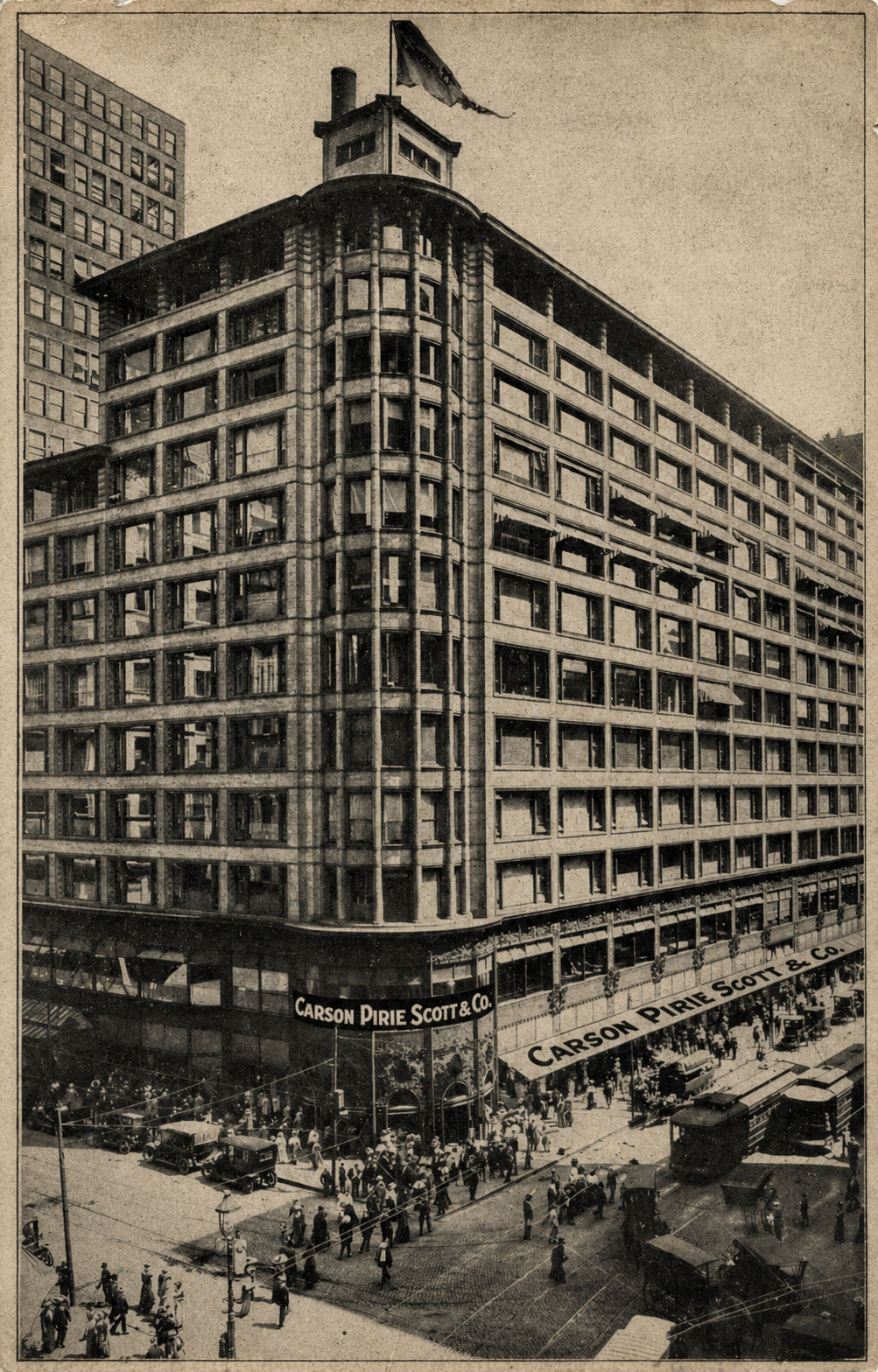
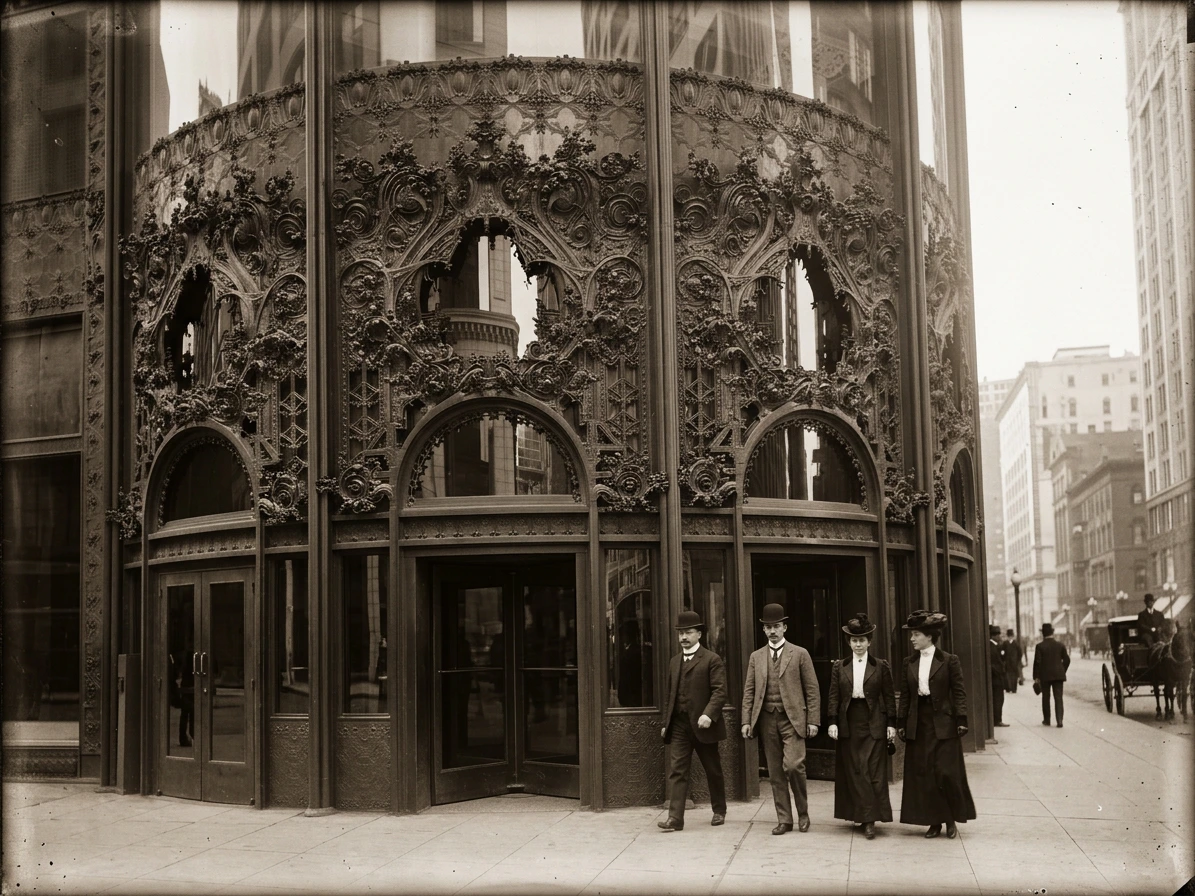
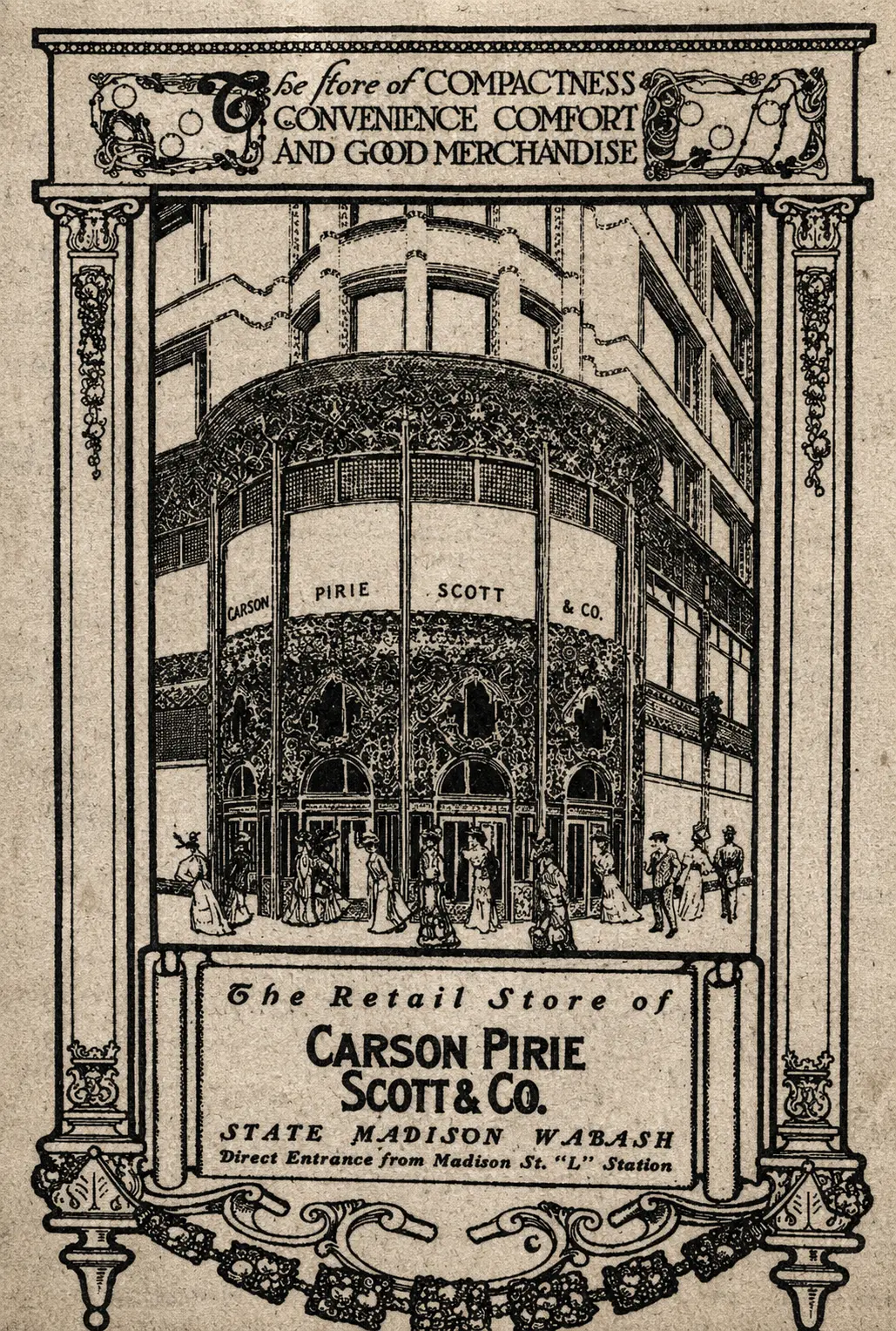
By the early twentieth century, the firm had become one of the leading retail and wholesale enterprises in the Midwest. In 1904, the company relocated to its landmark State Street store, occupying the newly completed Louis Sullivan-designed structure originally commissioned for Schlesinger & Mayer. Later known as the Carson Pirie Scott Building, it became one of the most important commercial works of early modern American architecture.

Financial Backing for Christian Ministry

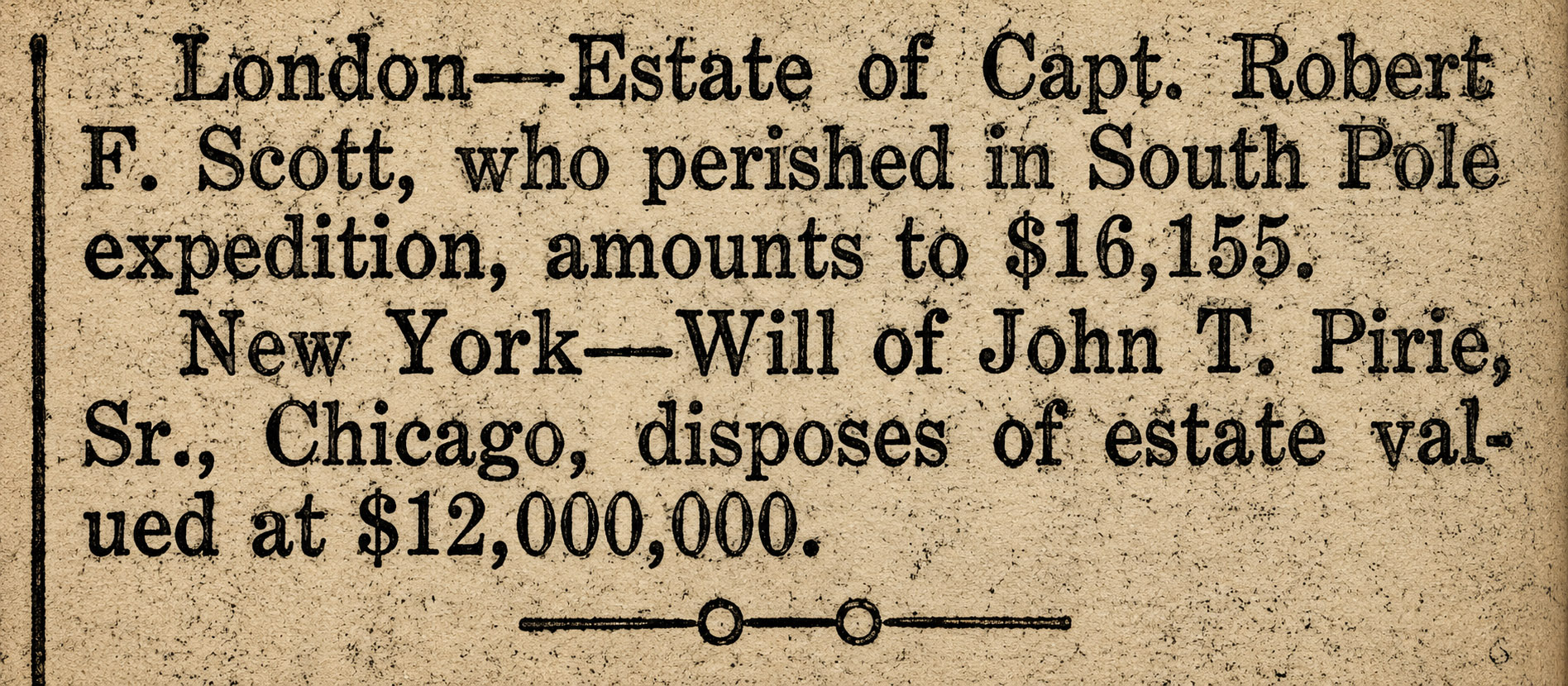
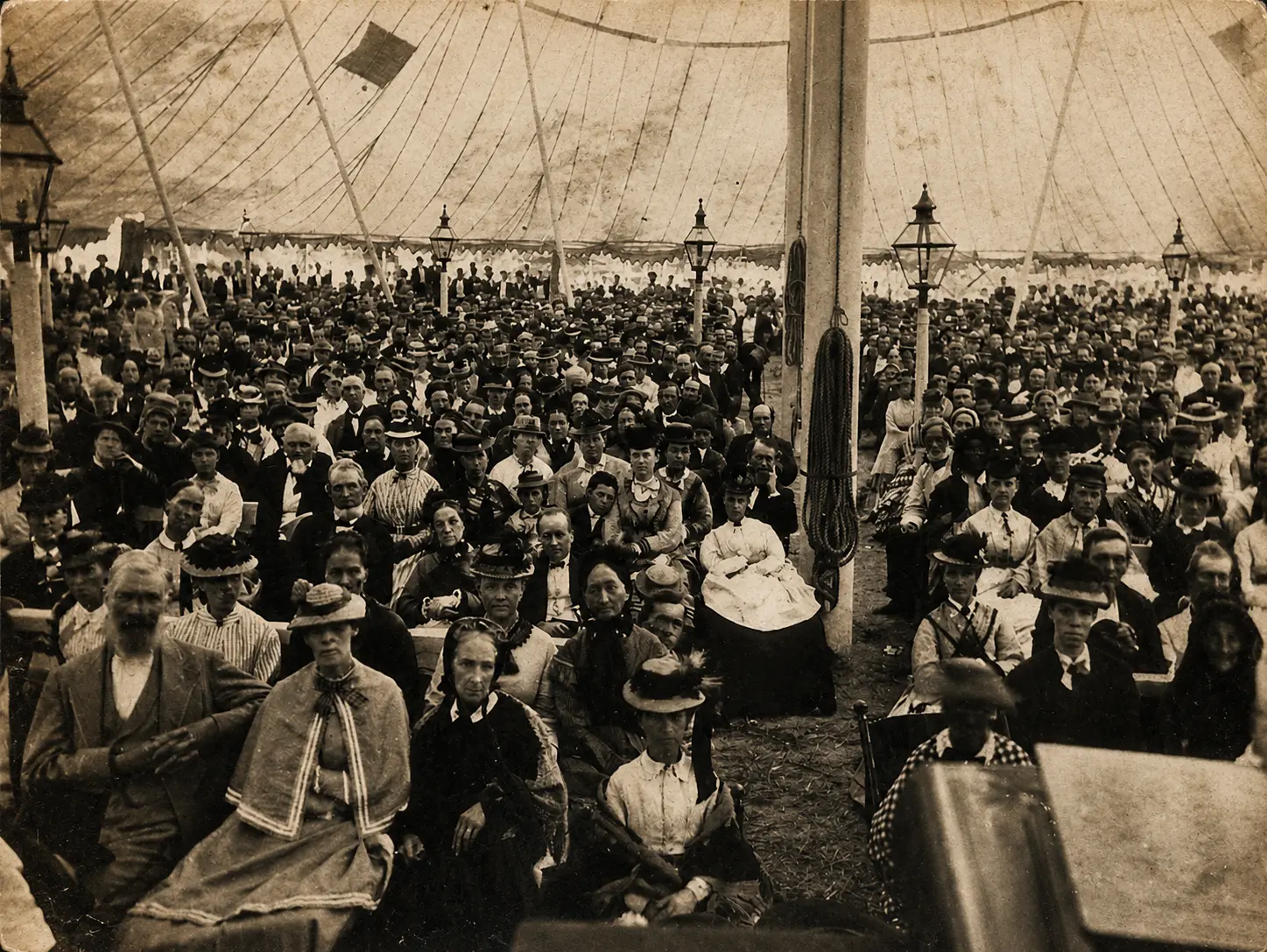
Alongside his mercantile career, Pirie became active in evangelical Protestant circles associated with Bible conference work and conservative ministry. Pirie maintained a summer estate at Sea Cliff, Long Island, inviting organizers to use the grounds for an annual summer Bible conference. He additionally provided a large tent seating six hundred attendees, and helped launch the first Sea Cliff Bible Conference on July 23, 1901. Pirie’s estate was valued at $12 million in 1913, equating to nearly $450 million today. He used his immense wealth to fund various Christian ministries, especially supporting the writing and publishing of the Scofield Reference Bible.

Commerce, Philanthropy, and a Lasting Evangelical Legacy

John Thomas Pirie died on April 24, 1913, at Errol Farm in Plymouth, Orange County, Florida. His career reflected the expansion of American retail industrialization during the Gilded Age while also illustrating the close relationship that often existed between commercial success and evangelical Protestant philanthropy. Through Carson Pirie Scott & Co., transatlantic commercial management, Sea Cliff conference sponsorship, and support for Scofield, Pirie occupied a distinctive position within both American commercial expansion and early twentieth-century evangelical publishing.