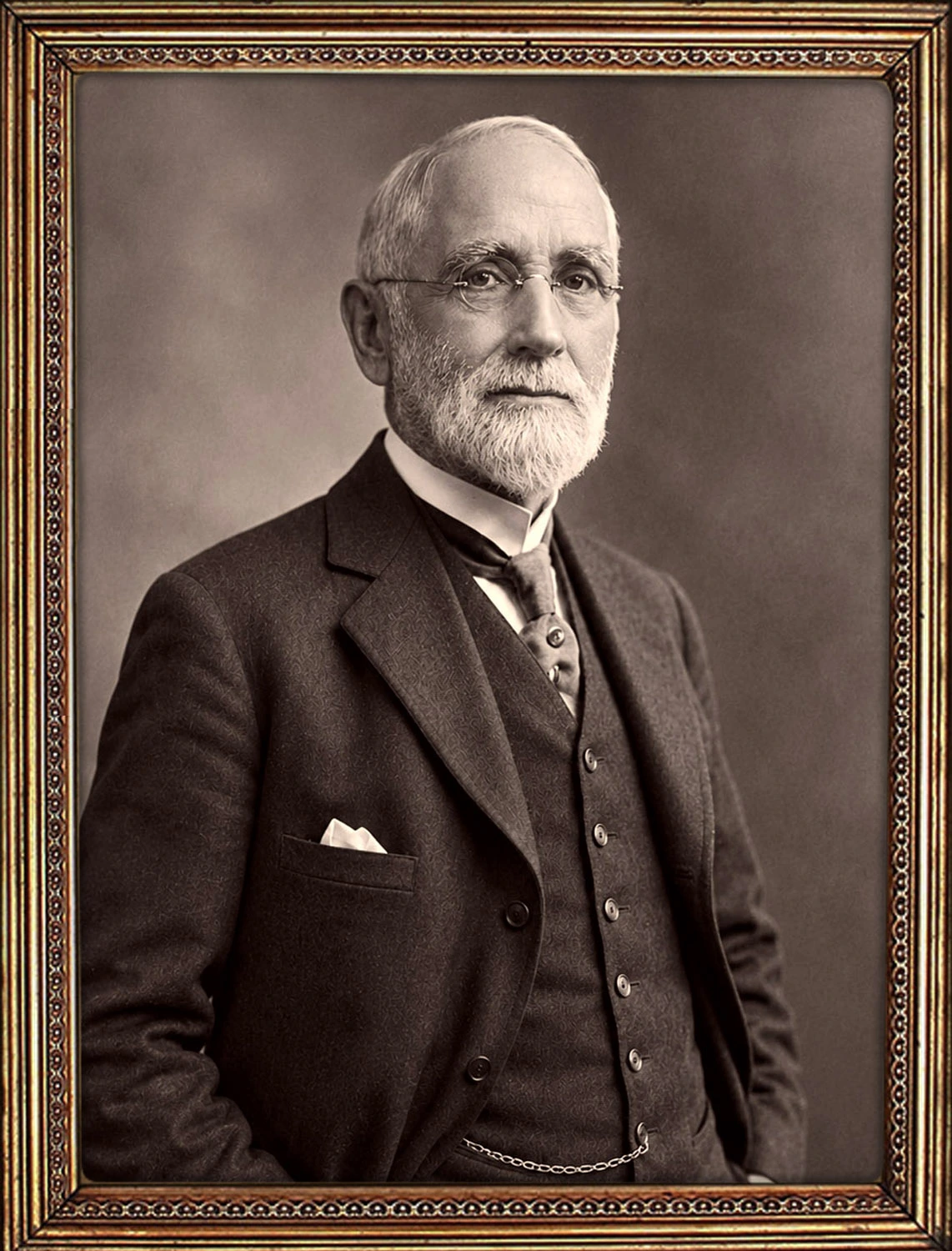
LYMAN STEWART
July 22, 1840 – September 28, 1923
Lyman Stewart was a prominent American industrialist, corporate executive, and pioneer of the California petroleum industry. As the co-founder and long-time leader of the Union Oil Company of California, Stewart was instrumental in transforming California’s localized oil production into a major national enterprise while challenging the growing dominance of Eastern energy trusts. Concurrently, he became one of the most influential financial architects of twentieth-century American Protestantism, utilizing his corporate wealth to underwrite the institutional and theological foundations of the early conservative evangelical movement.

Corporate Infrastructure & the Rise of Union Oil
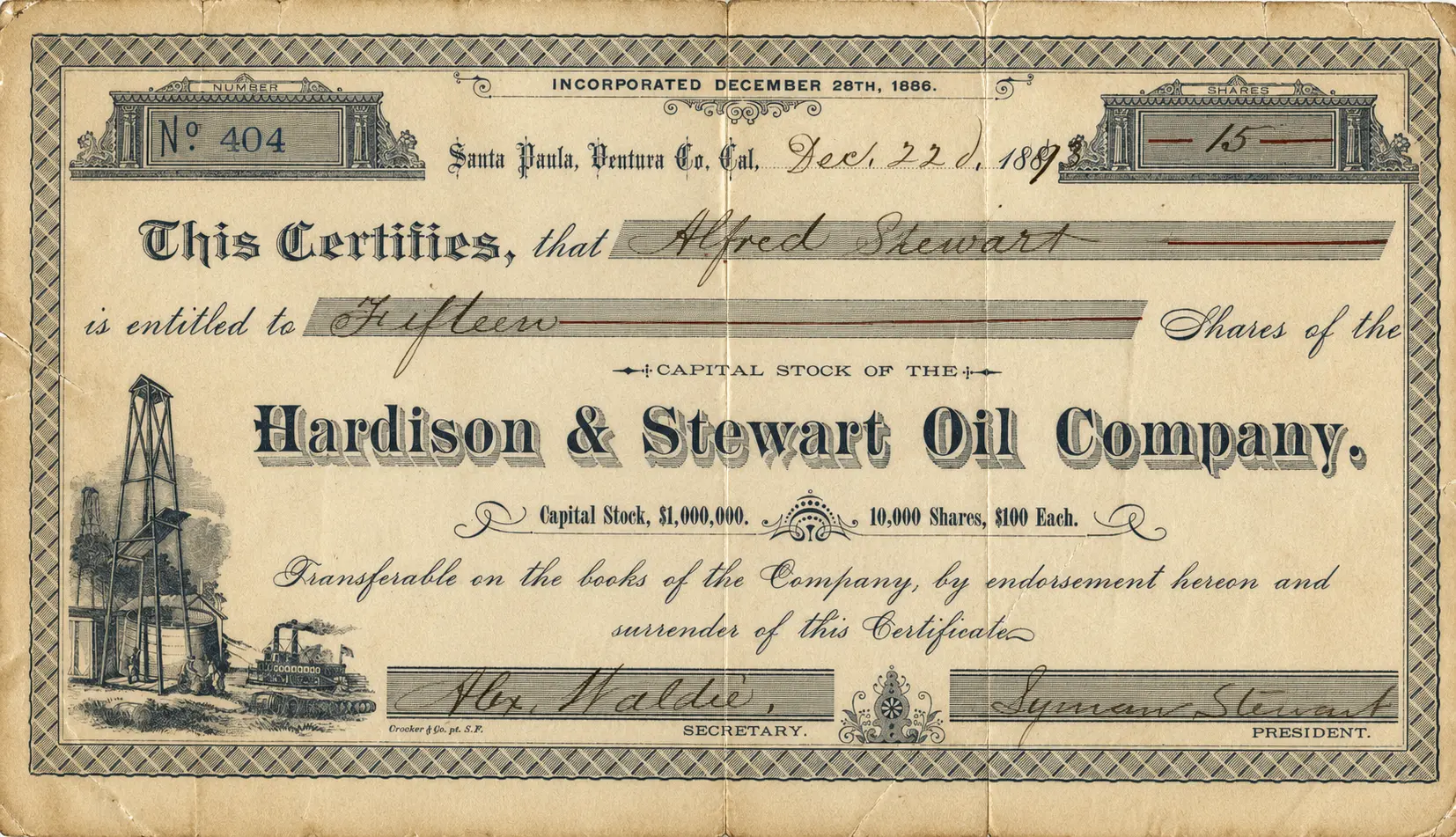
Born in Cherrytree, Pennsylvania, Stewart entered the commercial sphere during the industrial expansion triggered by Edwin Drake’s historic 1859 oil discovery in Titusville. Following his role in the American Civil War, Stewart returned to the oil fields and formed a strategic partnership with financier Wallace L. Hardison in 1877. As the Hardison & Stewart Oil Company, the partners achieved moderate success, but relocated their capital to the untapped basins of Southern California in 1883 due to John D. Rockefeller’s Standard Oil system consolidating control in the east.
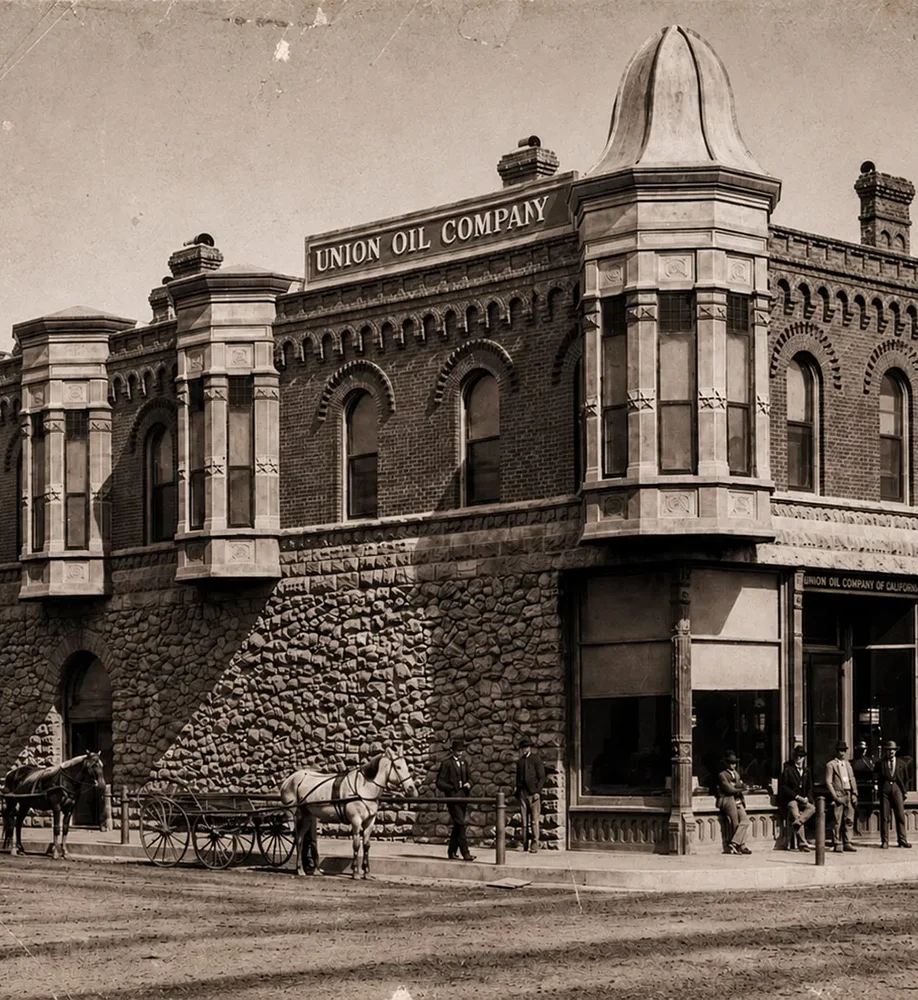
Upon arriving in California, they centered their early operations in Santa Paula, Ventura County. Despite tight credit markets and immense logistical hurdles, their firm accounted for approximately 15% of California’s total petroleum output by 1886. On October 17, 1890, the Hardison & Stewart Oil Company merged with Thomas R. Bard’s Sespe Oil Company and Torrey Canyon Oil Company to form the Union Oil Company of California.
Building Union Oil into a Western Energy Powerhouse
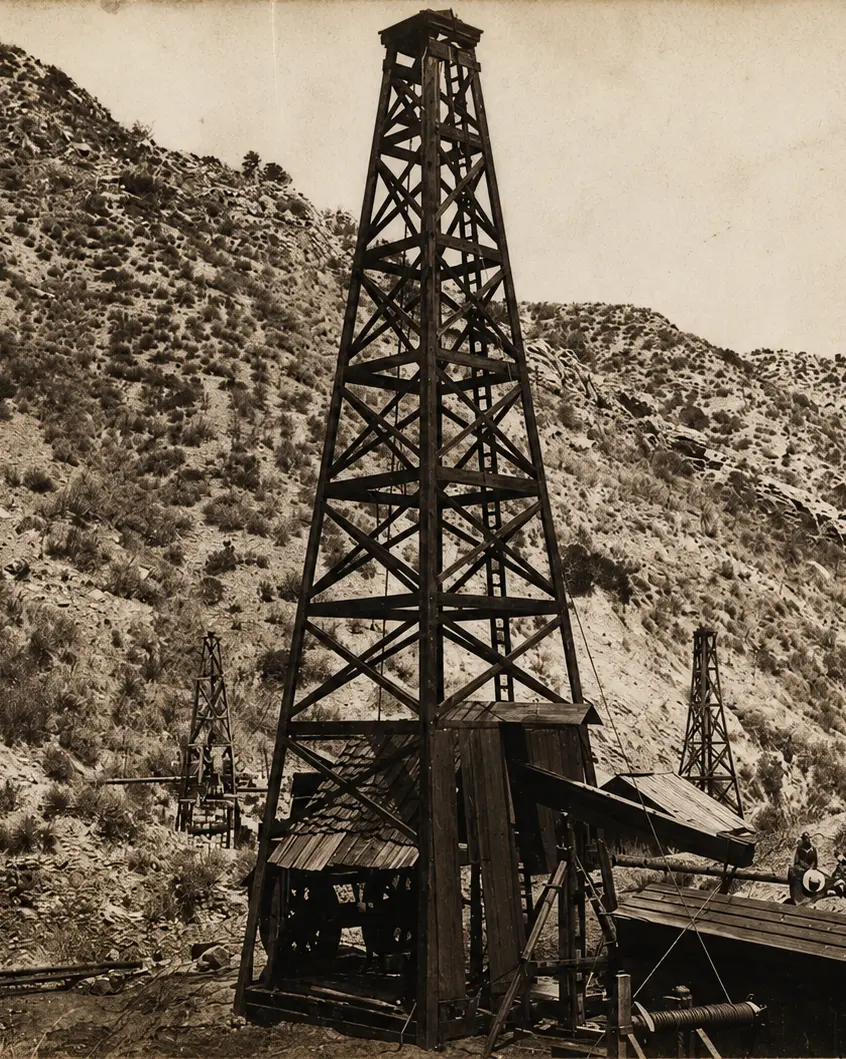
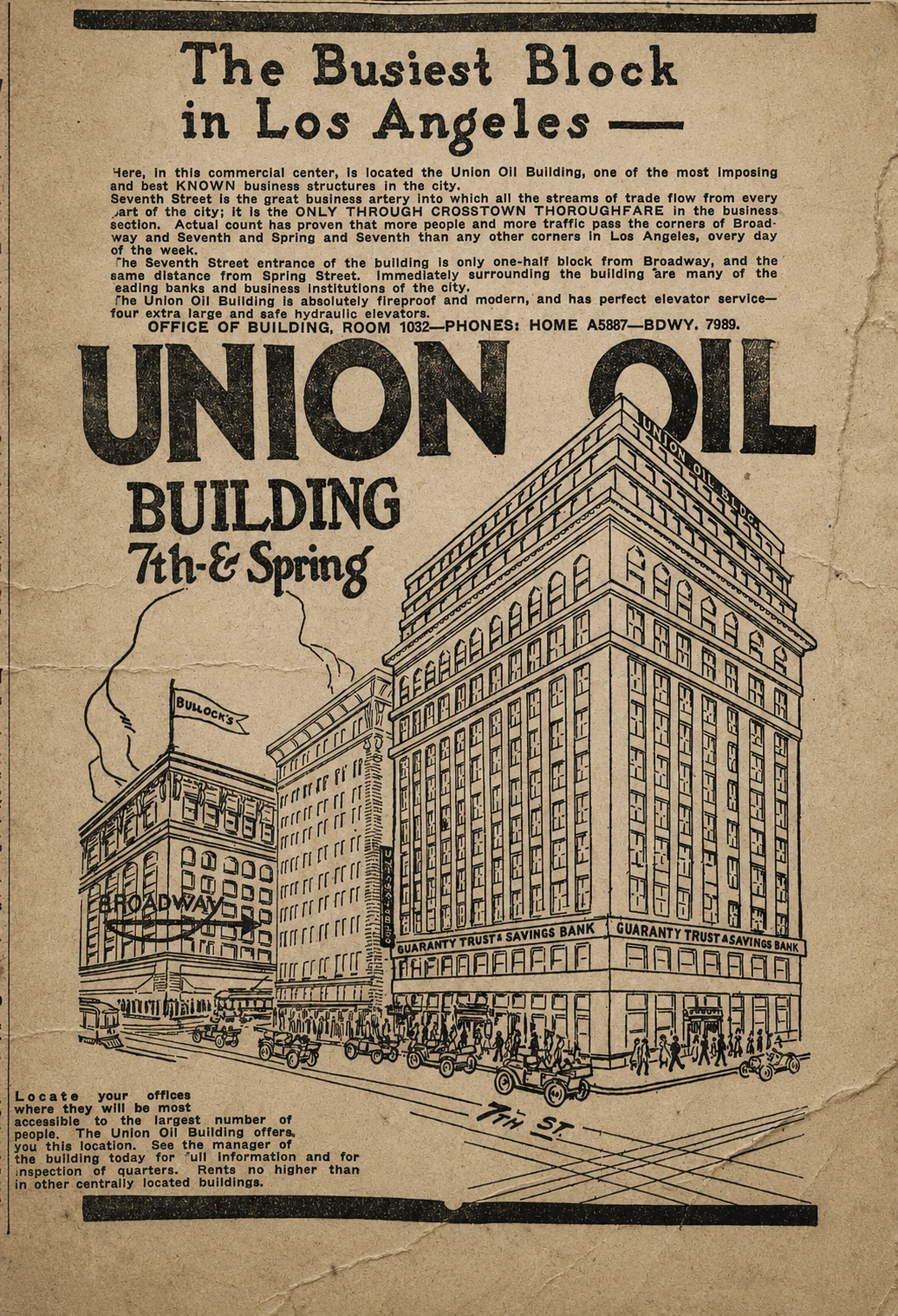
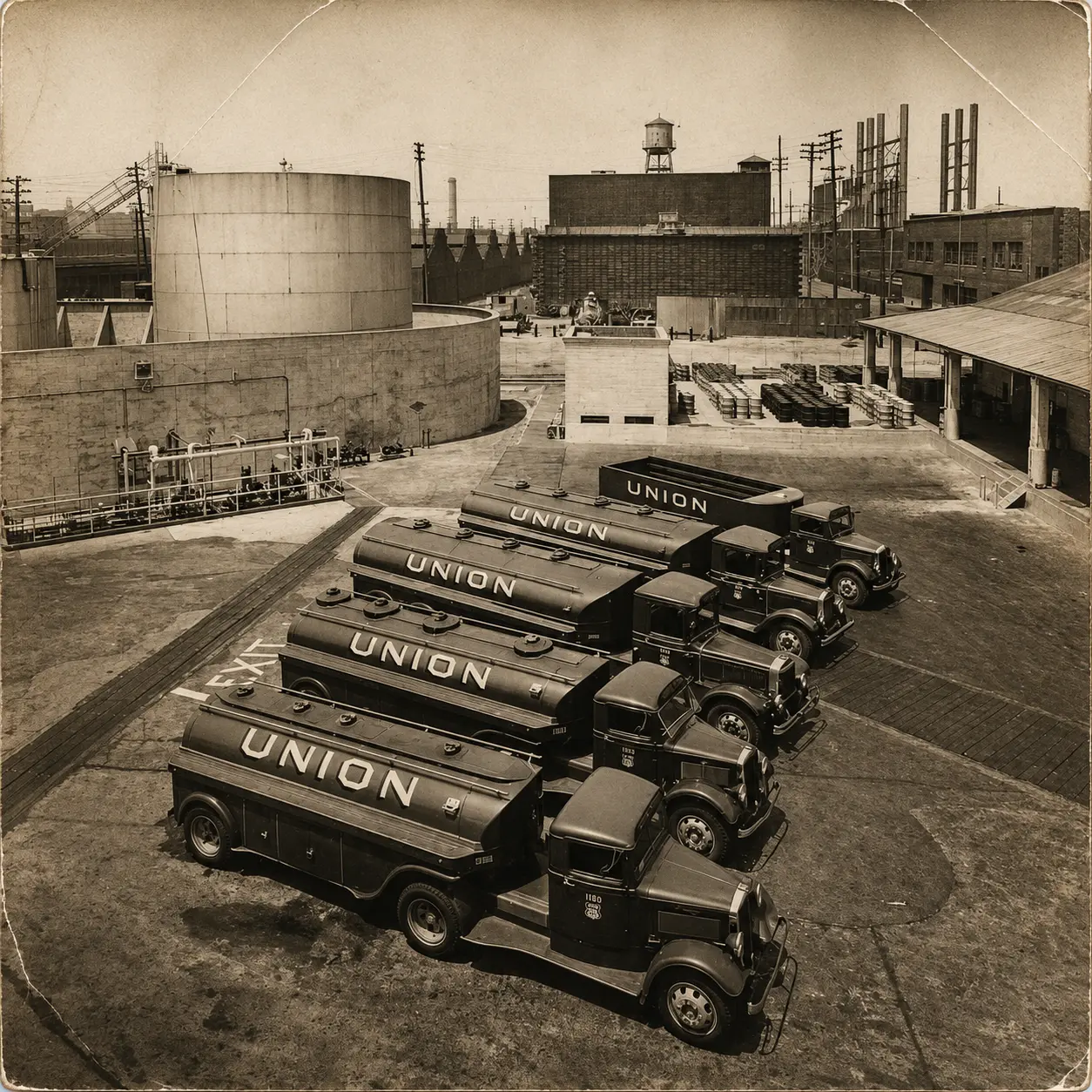
Stewart served as president of Union Oil from 1894 to 1914 and remained chairman of the board until his death. Under his executive leadership, Union Oil evolved from a regional crude supplier into a fully integrated energy enterprise. He prioritized major capital investment in drilling technologies, independent pipeline systems, refining facilities, and marine tank-vessel logistics that distributed fuel throughout the Pacific Coast. By the turn of the century, the infrastructure he established positioned Union Oil as a major independent Western competitor, supplying fuel to railroads, shipping operations, manufacturing plants, and rapidly expanding urban centers throughout the American West.
Using Petroleum Wealth for Christian Ministry
Stewart viewed his corporate success through the lens of Christian stewardship, directing large portions of his personal fortune towards ministry. He established the Pacific Gospel Mission in 1891 (later renamed the Union Rescue Mission), which became one of the largest rescue missions in the United States. In 1908, Stewart founded the Bible Institute of Los Angeles (now Biola University), becoming its first president and primary benefactor. By 1914, the wealthy oil tycoon had donate over $2 million to various Christian efforts, equivalent to nearly $70 million today.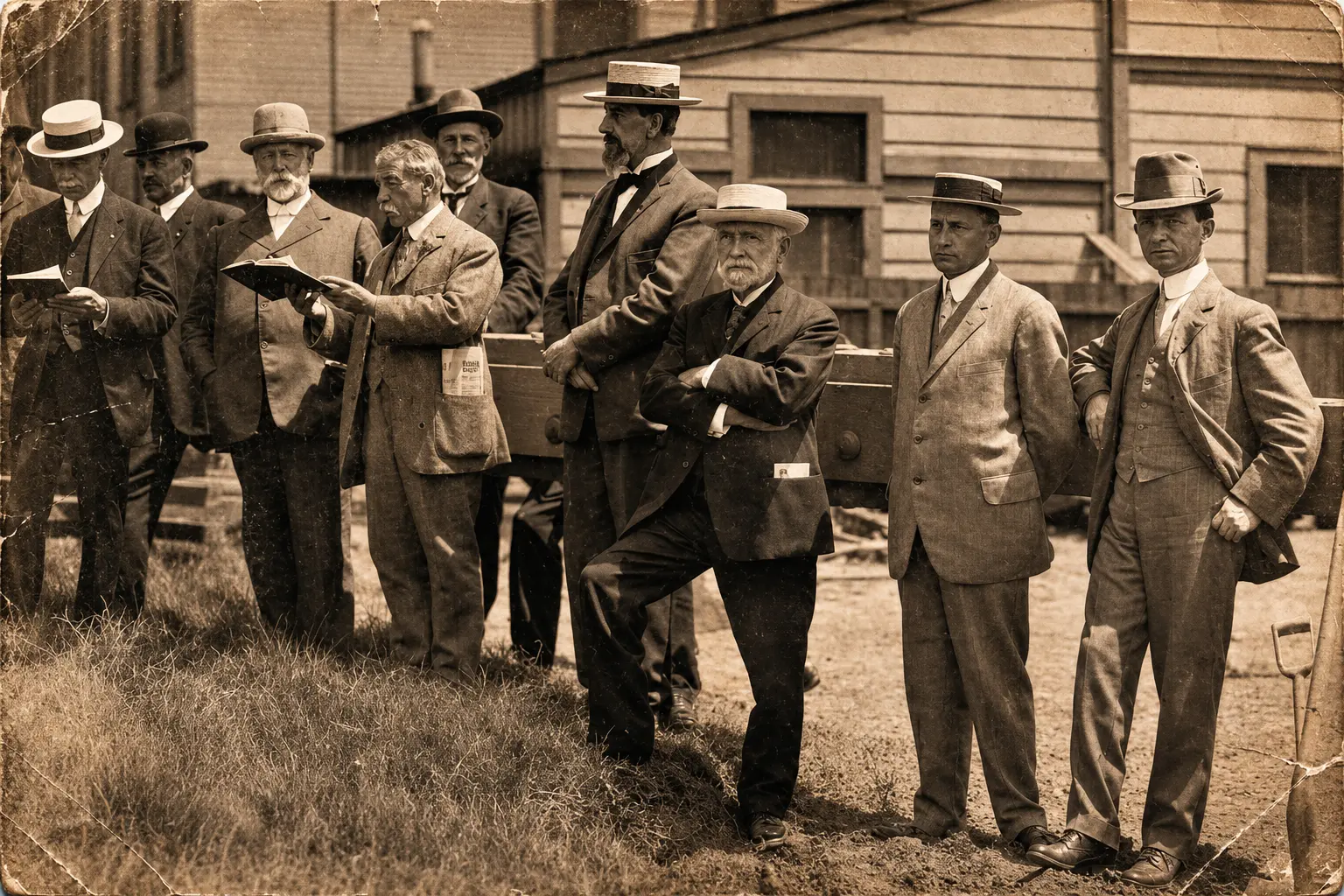
Industrial Power and Evangelical Legacy
Lyman Stewart’s historical significance rests at the intersection of industrial capitalism, petroleum expansion, and organized evangelical philanthropy during America’s Gilded Age and Progressive Era. Through Union Oil, he helped forge the industrial backbone of California’s petroleum economy. Through his financial patronage, he established institutional, academic, and theological networks that profoundly shaped conservative evangelical Protestantism throughout the twentieth century. At the time of his death in Los Angeles on September 28, 1923, Stewart was widely recognized both as a major American oil industrialist and as one of the most influential evangelical lay patrons of his generation.
© 2026 Scofield-Files.com